How A.R.E.'s Sealed Bulkhead System Actually Keeps Water Out
Most truck cap leaks start at the front bulkhead — the seam where the cap meets the cab. Water sneaks through gaps in adhesive, worn weatherstripping, or fastener holes drilled too close to the edge.
A.R.E. addresses this with a three-layer sealed bulkhead system: a structural gasket between the cap and the cab rail, an outer weatherseal that compresses against the rear window, and a continuous bead of butyl adhesive that ties both layers together. Each layer serves a distinct function, and all three must stay intact for the system to work. We'll walk through how each component stops water and what happens when one layer fails.
The Three Layers of the Bulkhead Seal
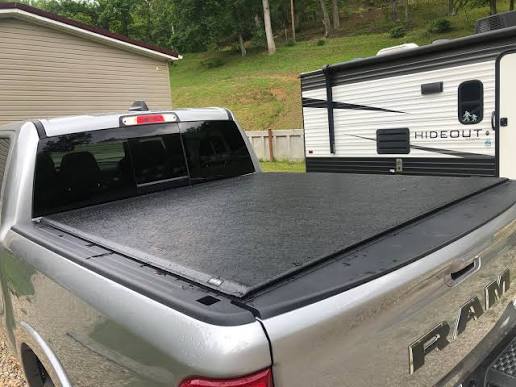
The bottom layer is a closed-cell foam gasket that sits directly on the truck bed rail. This gasket carries the cap’s weight and creates the primary compression seal — when the cap is bolted down, the foam compresses about 30% and fills the irregular surface of the bed rail.
The middle layer is a butyl tape applied during installation. Butyl stays pliable indefinitely and fills micro-gaps the foam can’t reach. It also bonds the foam gasket to both the cap frame and the bed rail, preventing the gasket from shifting under highway wind loads.
The outer weatherseal runs along the front edge of the cap and presses against the truck’s rear window glass when the cap is installed. This creates a second barrier that catches any water that bypasses the bed-rail seal. The weatherseal is a hollow rubber extrusion — it collapses slightly under pressure and recovers its shape when the cap is removed.
Why the Bulkhead Leaks When One Layer Fails
If the foam gasket compresses unevenly — often because the bed rail wasn’t cleaned before installation — water channels through the low spots. You’ll see drips along the front edge of the bed during a car wash, usually at the corners where the rail dips.
Butyl failure is less obvious. The tape doesn’t crack or peel; it simply stops bonding if the surfaces were dusty or oily during installation. Water then migrates between the gasket and the cap frame, often pooling at the lowest point before finding its way into the bed. This type of leak only appears after extended rain, not during a quick rinse.
The outer weatherseal can shrink or harden after years of UV exposure. Once it loses compression, wind-driven rain pushes past it and runs down the inside of the rear window. If you’re troubleshooting a persistent front leak on an older cap, our CX Revo bulkhead fix guide covers the exact steps to replace the weatherseal and re-bed the gasket.
How Installation Technique Affects the Seal
Bed Rail Prep
The bed rail must be wiped with isopropyl alcohol and allowed to dry completely before the gasket goes down. Any residue — wax, silicone spray, bed liner overspray — prevents the butyl from bonding. We’ve seen caps leak within a week when this step was skipped.
Torque Sequence
Cap mounting bolts should be tightened in a cross pattern starting from the center and working outward. Tightening one side completely before the other forces the gasket to compress unevenly, creating permanent voids. The final torque spec is 15-18 ft-lbs — enough to compress the foam without crushing it.
Weatherseal Alignment
The outer weatherseal must contact the glass across its entire length before the bolts are tightened. If the cap sits too far forward or back, the seal will press against the window frame instead of the glass, leaving a gap. Measure from the cab corners to the cap edge on both sides to confirm square alignment before final torque.
Maintenance That Extends Bulkhead Life
Inspect the outer weatherseal twice a year for hardening or compression set. Press it with your thumb — it should spring back immediately. If it stays indented, the rubber has aged out and should be replaced before the next rainy season.
Clean the bed rail every six months, even if the cap hasn’t been removed. Dirt and salt migrate under the gasket through capillary action and eventually displace the butyl. Run a damp rag along the visible edge of the gasket where it meets the rail, then follow with a dry cloth.
Check the mounting bolts annually. They should feel snug but not require force to turn. If a bolt spins freely, the threads in the bed rail may have stripped — retorque to spec and monitor. A loose bolt reduces gasket compression in that zone and opens a path for water.
Some truck owners add aftermarket accessories like ladder racks or roof baskets that bolt through the cap roof — those penetrations need fresh sealant every couple of years, but they don’t affect the bulkhead seal as long as the cap frame itself isn’t drilled.
Why the Bulkhead Matters More Than Other Seals
The bulkhead is the only seal on a truck cap that works against both static water pooling and wind-driven spray. Side and rear seals face less pressure because gravity pulls water away from vertical surfaces.
A failed side seal drips. A failed bulkhead seal floods, often soaking cargo before you notice. That’s why A.R.E. builds redundancy into the front joint — one layer can degrade without immediately compromising the system.
If you’re installing a cap yourself, spend the extra fifteen minutes on bed rail prep and torque sequence. The parts cost the same whether the seal lasts two years or twenty.
Common Questions About A.R.E. Bulkhead Seals
The foam gasket can be reused once if it hasn't been compressed for more than a year and shows no tears. The butyl tape cannot — it bonds to both surfaces and will tear when separated.
Reapply fresh butyl tape to both the gasket and the bed rail before reinstalling the cap. Skipping this step creates the exact gap the original installation was designed to prevent.
Run a hose along the front edge of the cap where it meets the cab for two minutes. If water appears inside the bed near the front corners, the bulkhead seal has failed.
If the bed stays dry but water shows up along the sides or rear, the leak is in a different seal — likely the side rails or the tailgate gasket. Isolate each section with the hose to avoid replacing parts that aren't failing.
No specialized tools are needed for bulkhead maintenance. You'll use a socket set for the mounting bolts, isopropyl alcohol for surface prep, and a utility knife to trim replacement weatherseal to length.
A torque wrench is recommended for reinstallation to avoid over-compressing the gasket, but not strictly required if you've tightened bed-rail hardware before.
Most manufacturers use a single-layer gasket with optional butyl tape applied by the dealer. A.R.E. integrates the butyl into the installation process and adds the outer weatherseal as a standard feature, not an upgrade.
The three-layer approach costs slightly more to install but reduces callback leaks. Single-layer systems rely entirely on the dealer's prep work — if the bed rail isn't perfectly clean, the gasket alone won't seal.
The foam gasket and butyl layer typically last the life of the cap if installed correctly. The outer weatherseal degrades faster — expect to replace it every 7-10 years in sunny climates, longer in temperate regions.
Early replacement is common only if the cap was removed and reinstalled without fresh butyl, or if the bed rail was never cleaned during the original install.