Are Truck Caps Universal? Complete Fit Guide & Compatibility Chart
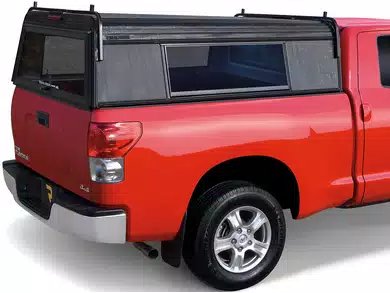
Classic Series Truck Cap
The Classic Series offers versatile styling that complements most truck models. Engineered with precise measurements for optimal fit across various manufacturers including Ford, Chevy, and Dodge pickup trucks.
Key Features:
- Vehicle-specific molding templates
- Weather-sealed perimeter gaskets
- Reinforced aluminum frame construction
- OEM-matched paint finishes
- Integrated drainage system
- Heavy-duty hinges and hardware
- Custom window configurations available
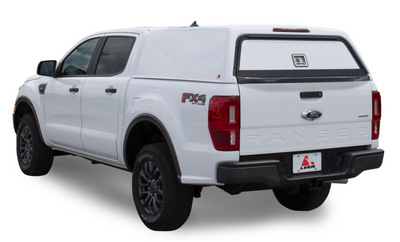
CX Series Premium Truck Cap
The CX Series features advanced aerodynamic design with manufacturer-specific engineering. Built for perfect integration with modern truck beds while maintaining superior weather protection and enhanced cargo security for discerning truck owners.
Key Features:
- CAD-engineered vehicle fitments
- Triple-seal weather protection
- Fiberglass composite construction
- Factory-matched color options
- Aerodynamic profile design
- Premium locking mechanisms
- Enhanced structural reinforcement
- Professional installation hardware
Are Truck Caps Universal? Understanding Compatibility Basics
The simple answer to “are truck caps universal” is no – truck caps are not universal and require specific fitments for each vehicle make, model, and bed length. Unlike some truck accessories that offer universal mounting systems, truck caps must match your exact truck specifications to ensure proper fit, weather sealing, and structural integrity.
Truck manufacturers design beds with unique dimensions, mounting points, and rail configurations that vary significantly between brands and even model years. When asking “are truck caps universal,” it’s important to understand that even trucks from the same manufacturer can have different bed specifications depending on the trim level, cab configuration, and production year.
The precision required for proper truck cap fitment extends beyond simple length and width measurements. Factors like bed rail height, tailgate design, and mounting hole spacing all play crucial roles in determining compatibility. This specificity ensures that your truck cap series selection provides optimal performance and appearance when properly matched to your vehicle.
Truck Cap Fit Guide: Measuring Your Vehicle
Proper measurement is essential when determining truck cap compatibility since truck caps are not universal. Start by identifying your truck’s exact make, model, year, and bed length – this information is typically found in your vehicle registration or owner’s manual.
Measure your truck bed length from the inside of the bulkhead to the inside of the tailgate when it’s closed. Standard bed lengths include short bed (5-6 feet), standard bed (6.5-8 feet), and long bed (8+ feet), but these measurements can vary between manufacturers even when using the same terminology.
Bed Rail and Width Measurements
Bed width measurements should be taken at the top of the bed rails, as this is where your truck cap will make contact. Measure both the front and rear widths, as some truck beds have a slight taper. Record the height from the bed floor to the top of the rails, as this affects how your cap will sit and seal against the truck bed.
Document any special features like bed liners, tonneau cover mounting systems, or aftermarket accessories that might affect fitment. These details are crucial when working with vehicle-specific truck caps to ensure perfect compatibility.
Compatibility Chart: Popular Truck Models
Since truck caps are not universal, we’ve compiled compatibility information for popular truck models to help guide your selection. Ford F-150 trucks represent one of the most common applications, with specific fitments available for each generation and bed configuration.
Ford Truck Compatibility
Ford F-150 models from 2015-present require different cap specifications than earlier generations due to changes in bed design and aluminum construction. The F150 truck caps available today accommodate these newer designs while maintaining the precise fit that Ford owners expect.
Chevy and GMC Applications
Chevrolet Silverado and GMC Sierra trucks share similar bed dimensions within the same generation but require specific mounting considerations. The 2019+ generation features significantly different bed rail profiles compared to earlier models, making older caps incompatible with newer trucks.
Ram Truck Specifications
Dodge Ram trucks, now simply called Ram, have unique bed configurations that differ from Ford and GM competitors. The RamBox storage system, available on many models, requires special accommodation in cap design to maintain functionality.
Toyota Tundra and Nissan Titan trucks represent the full-size import category, each requiring manufacturer-specific fitments that account for their unique design characteristics and mounting systems.
Why Truck Caps Are Not Universal: Design Factors
Understanding why truck caps are not universal helps explain the importance of proper fitment and compatibility. Truck manufacturers use different design philosophies, materials, and construction methods that create unique fitting requirements for each model.
Bed rail profiles vary significantly between manufacturers and model years. Some trucks feature rounded rails, while others have squared-off designs. The mounting hole spacing, depth, and thread specifications differ between brands, making universal mounting impossible without compromising structural integrity.
Tailgate Integration Challenges
Tailgate designs present another reason why truck caps are not universal. Some trucks have tailgates that sit flush with the bed rails, while others extend above or below the rail line. Your truck cap must accommodate these variations to ensure proper closure and weather sealing.
Aerodynamic considerations also influence cap design, as each truck model has unique cab and bed proportions that affect airflow. A properly fitted cap complements your truck’s aerodynamics, while an incompatible design can increase wind noise and reduce fuel efficiency.
Installation Requirements and Professional Fitting
Professional installation becomes even more critical when you understand that truck caps are not universal. Each vehicle requires specific mounting procedures, hardware, and adjustment techniques to achieve optimal fit and performance.
Proper installation involves more than simply placing the cap on your truck bed. Alignment procedures ensure that gaps are consistent around the perimeter, while weather sealing requires precise adjustment of gaskets and drainage systems. Professional installers have the experience and tools necessary to achieve factory-quality fitment.
Hardware and Mounting Systems
Mounting hardware varies between truck models and cannot be interchanged universally. Bolt lengths, thread pitches, and torque specifications are engineered for specific applications. Using incorrect hardware can damage your truck bed or compromise the cap’s security.
Some trucks require special brackets or adapters to accommodate unique bed features like built-in tie-downs or storage systems. These accessories are vehicle-specific and must be selected based on your exact truck configuration.
Warranty and Safety Considerations
Proper installation by certified professionals protects your warranty coverage and ensures safe operation. Incorrectly installed caps can cause damage to your truck or create safety hazards during transport. Professional installation also includes instruction on proper operation and maintenance procedures.
Finding the Right Truck Cap for Your Vehicle
Since truck caps are not universal, finding the right cap requires careful research and consultation with knowledgeable professionals. Start by gathering complete vehicle information including VIN numbers, which contain specific details about your truck’s configuration and production specifications.
Work with authorized dealers who have access to comprehensive fitment databases and can verify compatibility before ordering. These professionals can identify potential issues and recommend solutions for trucks with modifications or unique configurations.
Special Considerations and Modifications
Trucks with modifications like lift kits, aftermarket bed rails, or custom paint may require special accommodation. Since truck caps are not universal, these modifications can affect fitment and may require custom solutions or additional hardware.
Consider your intended use when selecting a cap style and configuration. Work truck applications may prioritize durability and security, while recreational users might focus on aesthetics and convenience features. Your dealer can help match cap features to your specific requirements while ensuring proper fitment.
Plan for future needs when making your selection, as changing caps later requires the same careful fitment process. Choose options that will serve your needs long-term while maintaining the precise fit that ensures optimal performance and appearance.
Frequently Asked Questions
Choosing the Right Truck Cap for Perfect Fit
Understanding that truck caps are not universal is the first step toward finding the perfect cap for your vehicle. The precision engineering required for proper fitment ensures optimal performance, weather protection, and long-term durability that universal solutions simply cannot provide.
Working with experienced professionals who understand the complexities of truck cap fitment will save you time, money, and frustration. Their expertise in measuring, selecting, and installing vehicle-specific caps ensures that you receive the quality and performance you expect from your investment.
The commitment to precise fitment that defines quality truck cap manufacturing reflects the understanding that every truck deserves accessories designed specifically for its unique characteristics. When you choose caps engineered for your exact vehicle specifications, you’re investing in superior performance and satisfaction.
Take the time to research compatibility thoroughly and work with knowledgeable dealers who can guide you through the selection process. The result will be a perfectly fitted truck cap that enhances your vehicle’s functionality while providing years of reliable service and protection.