
How Heavy Are Truck Caps? Complete Weight Guide by Material & Model
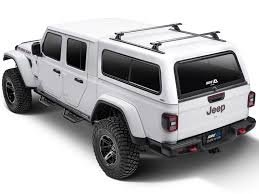
CX Classic Series Fiberglass Truck Cap
Premium fiberglass construction offering exceptional durability and weather resistance. Features smooth interior finish and multiple window configurations. Perfect balance of weight and functionality for daily use.
Key Features:
- Lightweight fiberglass construction (75-120 lbs)
- Smooth gel-coat finish
- Weather-sealed design
- Multiple window options
- Integrated roof rack compatibility
- Carpet-lined interior
- Heavy-duty gas struts
- OEM-style paint matching
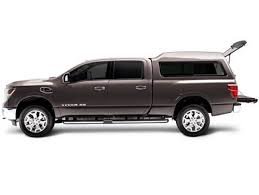
MX Series Commercial Aluminum Cap
Heavy-duty aluminum construction designed for commercial applications. Features reinforced framework and superior corrosion resistance. Built to handle demanding work environments while maintaining reasonable weight.
Key Features:
- Durable aluminum frame (90-150 lbs)
- Corrosion-resistant coating
- Reinforced corner construction
- Commercial-grade hardware
- Modular accessory system
- Full perimeter sealing
- Heavy-duty hinges
- Scratch-resistant finish
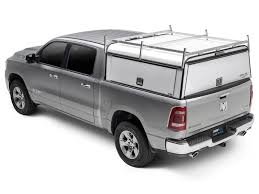
DCU Work Truck Cap
Ultra-lightweight composite construction for maximum payload preservation. Features contractor-focused design with enhanced security features. Ideal for commercial vehicles requiring minimal weight addition.
Key Features:
- Ultra-light composite materials (60-95 lbs)
- Enhanced security locks
- Contractor-grade durability
- Minimal payload impact
- Easy installation system
- Weather-tight sealing
- Reinforced mounting points
- Tool-free operation features
Understanding Truck Cap Weight Fundamentals
When considering how heavy are truck caps, weight varies significantly based on materials, size, and construction methods. Most truck caps range from 60 to 200 pounds, with the majority falling between 75-150 pounds depending on your truck’s bed size and cap style.
The weight of your truck cap directly affects your vehicle’s payload capacity, fuel economy, and handling characteristics. Understanding these weight specifications helps you make informed decisions about which cap best suits your needs without compromising your truck’s performance.
Weight Impact on Vehicle Performance
Truck cap weight affects more than just payload capacity. Additional weight changes your vehicle’s center of gravity, potentially impacting braking distances and cornering stability. Heavier caps may also influence fuel consumption, especially during highway driving where aerodynamic efficiency becomes crucial.
Proper weight distribution becomes essential when determining how heavy are truck caps for your specific application. Consider your typical cargo loads and driving conditions to select an appropriately weighted cap that maintains your truck’s optimal performance characteristics.
Fiberglass Truck Cap Weight Specifications
Fiberglass caps typically weigh between 75-150 pounds, making them a popular middle-ground option for many truck owners. The fiberglass truck caps offer excellent durability while maintaining reasonable weight characteristics across different bed sizes.
Short bed fiberglass caps (5.5-6 feet) generally weigh 75-100 pounds, while standard bed caps (6.5-8 feet) range from 100-130 pounds. Long bed configurations can reach 130-150 pounds due to additional structural requirements and larger surface areas.
Fiberglass Construction Advantages
The weight profile of fiberglass caps provides optimal balance between durability and payload preservation. These caps resist dents and scratches better than aluminum alternatives while weighing less than steel constructions, explaining why many consider how heavy are truck caps when comparing fiberglass options.
Fiberglass caps also maintain consistent weight regardless of weather conditions, unlike some materials that may absorb moisture. This predictable weight characteristic helps maintain consistent vehicle handling and payload calculations throughout different seasons and climates.
Aluminum Truck Cap Weight Analysis
Aluminum truck caps typically weigh 90-180 pounds, positioning them as heavier alternatives compared to fiberglass but offering superior dent resistance and longevity. Commercial-grade aluminum caps may weigh even more due to reinforced construction and thicker material gauges.
The weight distribution in aluminum caps tends to favor the framework, with lighter panel sections creating different handling characteristics compared to fiberglass alternatives. Understanding how heavy are truck caps in aluminum construction helps predict their impact on rear axle loading and suspension performance.
Aluminum Weight Benefits
Despite being heavier, aluminum caps offer excellent strength-to-weight ratios for commercial applications. The additional weight often translates to enhanced durability and longer service life, particularly in demanding work environments where cap integrity is paramount.
Aluminum construction also provides consistent weight characteristics over time, resisting the degradation that might affect other materials. This stability ensures your payload calculations remain accurate throughout the cap’s service life, making weight planning more predictable.
Composite and Alternative Material Weights
Composite truck caps represent the lightest option, typically weighing 60-120 pounds depending on construction methods and reinforcement materials. These caps prioritize weight savings while maintaining adequate strength for typical truck cap applications.
Advanced composite materials can achieve significant weight reductions compared to traditional options. When evaluating how heavy are truck caps in composite construction, consider that weight savings often come with specific usage limitations and potentially higher initial costs.
Specialized Material Considerations
Some manufacturers combine materials to optimize weight distribution and performance characteristics. Hybrid constructions might feature aluminum frameworks with composite panels, creating unique weight profiles that balance durability with payload preservation.
These alternative approaches to cap construction demonstrate the ongoing evolution in addressing how heavy are truck caps while meeting diverse user requirements. Consider your specific needs when evaluating these specialized options against traditional material choices.
Weight Variations by Truck Size and Model
Compact truck caps typically weigh 60-100 pounds, while full-size truck caps range from 90-180 pounds. The relationship between truck size and cap weight isn’t always linear, as construction methods and intended use significantly influence final weights.
Mid-size truck caps often weigh 75-130 pounds, bridging the gap between compact and full-size applications. Understanding how heavy are truck caps for your specific truck model helps ensure proper installation and optimal vehicle performance after cap installation.
Model-Specific Weight Considerations
Different truck cap series are engineered with specific weight targets based on intended applications. Work-focused caps may prioritize durability over weight savings, while recreational caps might emphasize lighter construction for better fuel economy.
Manufacturer specifications provide exact weight data for specific truck models, eliminating guesswork in payload planning. These precise measurements help you understand exactly how heavy are truck caps for your vehicle configuration, ensuring informed purchasing decisions.
Installation Weight Requirements
Proper installation requires understanding both the cap’s static weight and dynamic loading during installation. Most caps require 2-4 people for safe installation, with proper lifting techniques essential for heavier models exceeding 120 pounds.
Consider installation accessibility and your available assistance when evaluating cap weights. The practical aspects of how heavy are truck caps extend beyond vehicle performance to include installation logistics and future maintenance requirements.
Choosing the Right Weight for Your Application
Selecting appropriate cap weight depends on your primary use case, payload requirements, and vehicle specifications. Commercial applications might accept heavier caps for enhanced durability, while recreational users often prioritize lighter options for fuel efficiency.
Consider your typical cargo loads when determining optimal cap weight. If you regularly carry heavy equipment or materials, a lighter cap preserves more payload capacity for actual cargo rather than cap weight, making the question of how heavy are truck caps particularly relevant.
Payload Capacity Planning
Your truck’s gross vehicle weight rating (GVWR) minus its curb weight equals available payload capacity. Cap weight directly reduces this available capacity, making weight selection crucial for maintaining legal and safe loading practices.
Different truck cap materials offer varying weight characteristics that impact your payload planning. Calculate your typical cargo requirements and subtract cap weight to ensure adequate remaining capacity for your intended applications.
Long-term Weight Considerations
Cap weight affects long-term ownership costs through fuel consumption and potential suspension wear. Heavier caps may contribute to increased maintenance requirements on rear suspension components, particularly in vehicles used primarily for light-duty applications.
Balancing initial cap weight with long-term operational costs helps optimize your investment. Understanding how heavy are truck caps in relation to your usage patterns ensures you select the most cost-effective option for your specific requirements and driving conditions.
Frequently Asked Questions
Making the Right Weight Decision for Your Truck Cap
Understanding how heavy are truck caps enables informed decisions that balance performance, durability, and functionality for your specific needs. Weight considerations extend beyond simple numbers to include payload planning, fuel efficiency, and long-term ownership costs that significantly impact your truck cap investment.
Material selection plays a crucial role in determining final cap weight, with fiberglass offering balanced characteristics, aluminum providing enhanced durability, and composite materials delivering maximum weight savings. Each material presents unique advantages that align with different usage patterns and performance priorities.
Proper weight planning ensures your truck cap enhances rather than compromises your vehicle’s capabilities. Consider your typical cargo requirements, driving conditions, and performance expectations when evaluating cap weights to make the most informed selection for your specific application.
The question of how heavy are truck caps ultimately depends on finding the optimal balance between weight, durability, and functionality that serves your long-term needs. Invest time in understanding these weight relationships to maximize satisfaction with your truck cap choice and ensure years of reliable service.